Beyond Aesthetics: Designing Landscapes for Biodiversity Enhancement Sep 24, 2026
The benefits of designing landscapes with biodiversity in mind are plentiful. Incorporating native plants, for example, supports local wildlife, including birds, bees, and butterflies. These organisms play a crucial role in pollination, which is essential for the health of our food systems and natural habitats. Native plants adapt naturally to the local climate, requiring less water and maintenance, which can be both cost-effective and environmentally friendly.
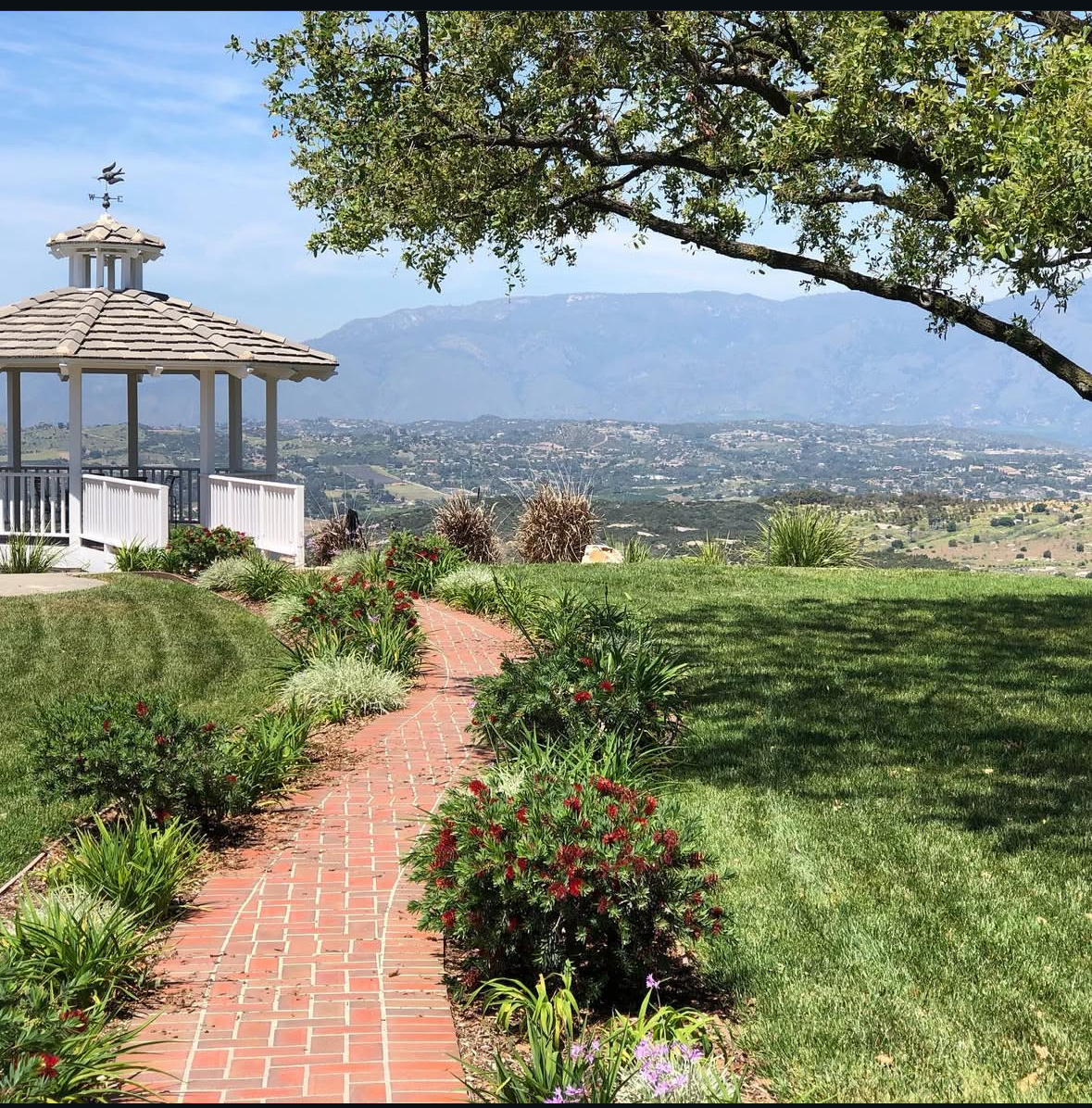
At Herreras Land Service, we advocate for an approach that integrates a variety of plant species and structural diversity within your landscape. This not only adds visual interest but also provides habitats for different kinds of wildlife. Consider layering plants of varying heights and textures. Ground covers, shrubs, and trees create different levels of canopies, offering shelter and food sources for a wide array of species. This multi-layered habitat supports ecological processes and contributes to a balanced ecosystem.
Water features can also play a critical role in enhancing biodiversity. Incorporating ponds, streams, or water gardens into your landscape attracts amphibians, reptiles, and aquatic insects, further diversifying the range of wildlife that your garden can support. Moreover, moving water features can contribute to the microclimatic conditions that benefit both plants and creatures inhabiting your landscape.
The choice of materials in hardscaping is another vital consideration. Sustainable materials, including reclaimed wood, stone, or permeable pavers, can be utilized to build functional spaces that minimize environmental impact. Permeable surfaces allow rainwater to filter through and replenish groundwater, reducing runoff and erosion. These sustainable practices are an integral part of designing a landscape that aligns with biodiversity enhancement goals.
You may also want to consider a weather-smart watering system, which not only conserves water but also ensures optimal irrigation tailored to the specific needs of your plants. This can significantly reduce resource waste and cost while maintaining plant health and vitality.
Community engagement is a byproduct of a biodiversity-rich environment. Sharing your approach and involving neighbors can foster a collective responsibility towards environmental stewardship. This not only amplifies the positive impact on local ecosystems but also builds a community that values sustainable practices.
In conclusion, designing landscapes for biodiversity is a multifaceted endeavor that requires careful planning and consideration. By working with Herreras Land Service, you can create a landscape that not only beautifies your property but also contributes to the health of our planet. Embracing biodiversity as a core component of landscape design not only benefits nature but also enriches our lives, making our outdoor spaces functional havens for relaxation and enjoyment.
Remember, the journey to enhancing biodiversity doesn’t stop with the implementation of great design. Regular maintenance, observation, and adaptation to changes in your landscape ensure continued success in promoting a thriving ecosystem. Reach out to Herreras Land Service today to discover how you can transform your landscape to support biodiversity now and for future generations.
/filters:no_upscale()/filters:format(webp)/media/445b4376-439f-43ff-8961-9868e59a18c2.jpeg)