Transform Your Landscape with Eco-Friendly Designs: A Sustainable Approach May 28, 2026
An eco-friendly landscape design involves reimagining your property in a way that minimizes environmental impact. To begin, consider incorporating native plants in your design. Native plants are well adapted to the local climate, requiring less water and maintenance than non-native species. By choosing plants that naturally thrive in your area, you reduce water usage and the need for chemical fertilizers and pesticides, thereby preserving local ecosystems.
In addition to plants, consider employing efficient irrigation techniques. Traditional watering systems can waste a significant amount of water. Opt for drip irrigation or soaker hoses, which deliver water directly to the plant roots, minimizing evaporation and runoff. You can take it a step further by collecting rainwater using barrels to water your garden. This not only conserves water but also reduces your water bill.
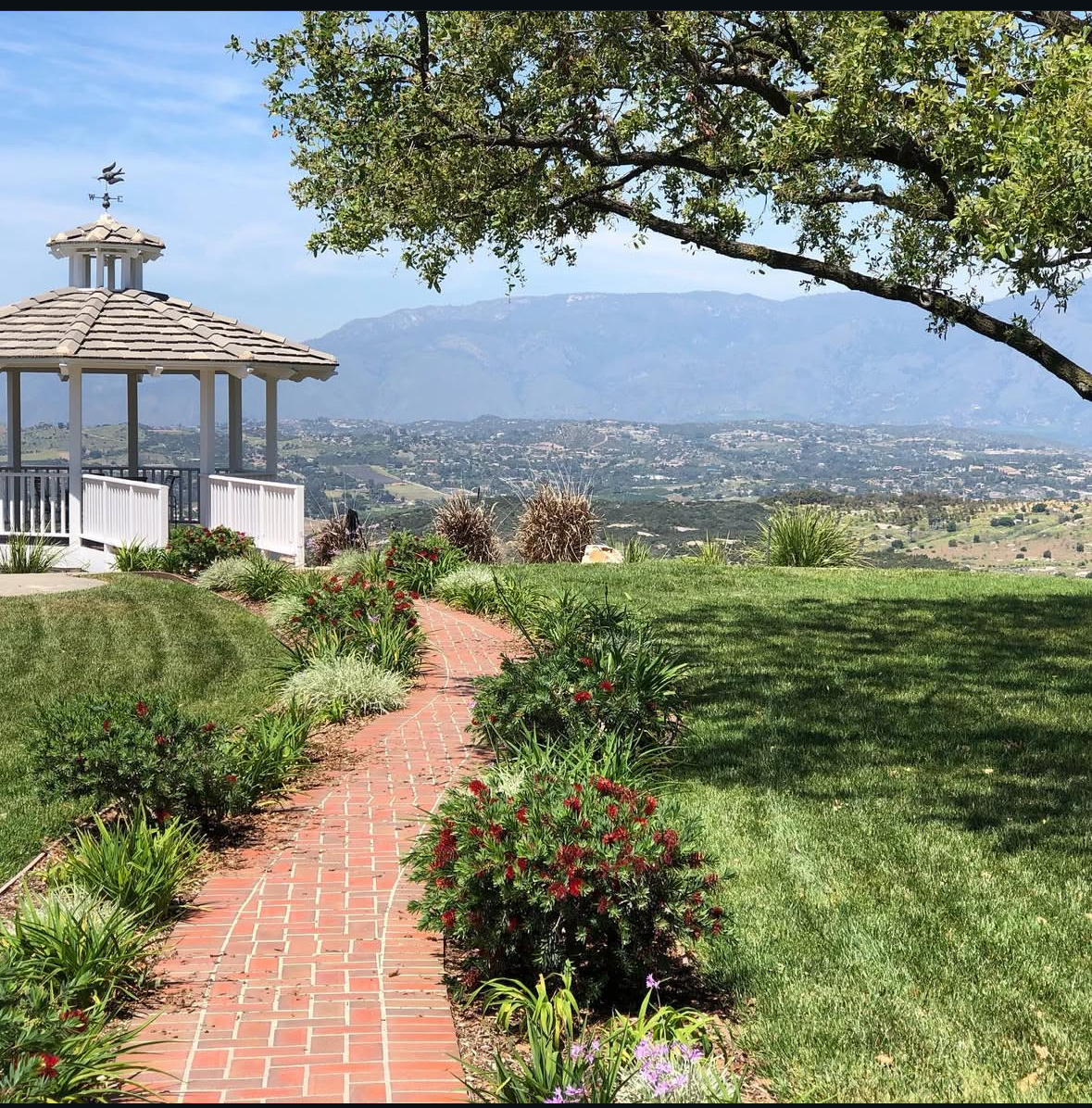
Hardscape elements such as paths, patios, and retaining walls are essential in any landscape, but they can be implemented in an eco-friendly manner. Choose sustainable materials like permeable pavers, reclaimed wood, or recycled metal for your hardscaping projects. Permeable pavers, in particular, allow water to flow through, reducing runoff and recharging groundwater supplies.
Incorporating energy-efficient lighting in your landscape design is another way to embrace sustainability. Use solar-powered lights to illuminate pathways or highlight key features of your garden. These lights harness the power of the sun during the day to provide illumination at night, reducing energy consumption and lowering your electricity bills.
Creating a compost area is another effective strategy to enhance the sustainability of your landscape. Composting helps reduce waste by transforming organic material, such as kitchen scraps and lawn clippings, into nutrient-rich soil. This practice not only enriches the soil in your garden but also reduces the need for chemical fertilizers, promoting healthier plant growth.
Furthermore, consider designing your landscape to accommodate wildlife. By creating habitats for local fauna, such as birds and butterflies, you contribute to biodiversity. Install bird feeders, birdhouses, or consider planting butterfly-friendly plants. These additions will enhance the vitality of your garden while supporting local wildlife.
Lastly, implementing a garden design that requires minimal lawn space can lead to significant water and maintenance savings. Consider alternatives like ground cover plants, ornamental grasses, or clover, which can provide the same green appearance with less upkeep.
At Herreras Land Service, we are committed to helping you achieve a sustainable landscape. Our team can provide expert advice and services to incorporate these eco-friendly principles into your design. By choosing sustainable practices, you not only create a beautiful and functional outdoor space but also contribute positively to the environment.
In conclusion, transforming your landscape with eco-friendly designs is a rewarding endeavor. By embracing sustainable practices, you enhance the natural beauty and functionality of your property while minimizing your environmental footprint. Whether you are starting from scratch or enhancing an existing garden, these eco-friendly strategies will ensure your landscape is both stunning and sustainable. Let Herreras Land Service guide you in turning your sustainable landscape dreams into reality.
/filters:no_upscale()/filters:format(webp)/media/445b4376-439f-43ff-8961-9868e59a18c2.jpeg)